

Last Updated: November 12, 2026
Quick Summary
To reduce dog bath time stress at home, use short reward-based sessions that build comfort before adding water, and keep each session to two to five minutes, ending while your dog is still calm. Line the tub with a rubber non-slip mat, use warm water and a gentle low-flow spray, and reward throughout with treats or a lick mat.
- Most dog bath anxiety is learned through bad associations, so it can be unlearned.
- Follow a seven-day desensitization plan, repeating any step where your dog shows stress.
- Keep full baths under ten minutes and never hold a dog still by force.
- A rubber non-slip mat is the single biggest upgrade for dogs afraid of slipping.
- Consult your veterinarian if fear started suddenly in an adult dog or comes with skin or ear problems.
Table of Contents
- Why Dog Bath Time Turns Stressful and How to Spot the Signs
- How to Get a Dog Used to Baths With a Gradual Plan
- How to Bathe a Dog That Hates Baths: Step-by-Step
- How to Wash a Dog Without a Bathtub
- Troubleshooting Fear Triggers, Safety, and When to Get Help
- Stock Your Calm Bath Kit at Fluff Mart
- Frequently Asked Questions
Why Dog Bath Time Turns Stressful and How to Spot the Signs
Bath time stress is one of the most common grooming problems dog owners face, and it rarely starts with the water itself. Many dog owners dread bath day as much as their dogs do.
Dogs build fear of baths through bad associations, a slippery tub, a blast of cold water, or a rushed owner can turn one bad experience into lifelong dread.
Common Triggers Behind Fear of Baths
- Slippery surfaces. A dog that can't grip the tub feels unsafe and panics.
- Water in the ears or face. A direct spray to the head is startling.
- Loud or cold water. Sudden temperature changes and noisy faucets raise alarm.
Dog Bath Anxiety Signs to Watch For
Watch for these stress signals before and during a bath:
- Tucked tail, flattened ears, or trembling
- Whining, panting, or drooling when the water starts
- Trying to jump out or freeze in place
Catching these early lets you slow down before full panic sets in.
How to Get a Dog Used to Baths With a Gradual Plan
The best way to teach a dog to tolerate baths is short, reward-based sessions that never push past mild discomfort. Skip the full bath at first and build comfort before adding water.
A Day-by-Day Desensitization Progression
Try this simple progression, one short session per day. Each session should last two to five minutes and end while your dog is still calm:
- Day 1: Let your dog sniff the dry tub. Reward with treats. No water.
- Day 2: Place a treat or lick mat in the empty tub. Let your dog step in and out freely.
- Day 3: Run a trickle of warm water. Reward calm behavior.
- Day 4: Wet a paw with a cup. Treat and stop.
- Day 5: Dampen the legs and body with a cup. Keep it short.
- Day 6: Add a small amount of shampoo to one area, then rinse.
- Day 7: Do a full but quick bath with constant rewards.
If your dog shows stress at any step, repeat it for another day before moving on. Fearful dogs often need two to three repetitions of the early steps.
Matching the Plan to the Specific Fear Trigger
A generic progression stalls when one trigger keeps firing. Isolate the trigger and build a separate mini-plan around it:
- Fear of the tub or enclosure: Practice entering and exiting the dry tub for treats with no water running. If your dog still balks, switch to a low-sided basin on the floor or a damp-cloth spot clean until the tub is neutral.
- Fear of the faucet or shower spray: Run the water into a cup or pitcher away from your dog, then pour from the cup. Gradually move the cup closer over several sessions. A handheld shower head on the lowest setting is the next step, not the first.
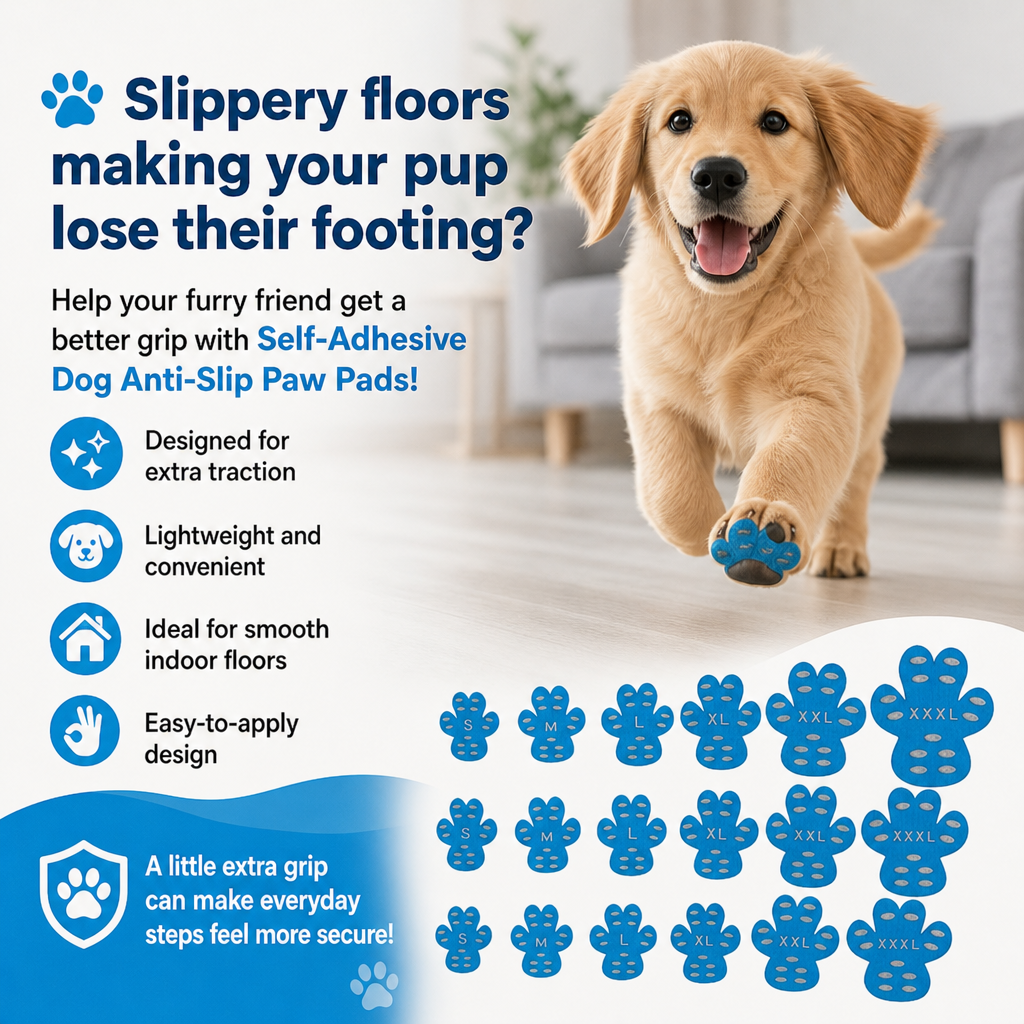
- Fear of slippery footing: A rubber non-slip mat is the single biggest upgrade. If your dog slips on the floor before or after the bath, self-adhesive Dog Anti-Slip Paw Pads give extra grip.
Pushing through a panic can undo several days of progress. Stop the session and repeat the previous step the next day.
Adapting the Pace for Puppies, Seniors, and Dogs With Sensory Needs
Puppies have shorter attention spans, keep sessions under three minutes with high-value treats. Senior dogs and dogs with mobility issues do better with a low-sided basin, a non-slip mat, and support under the belly; warm water helps stiff joints, but keep sessions brief. Dogs with hearing or vision loss rely on scent and touch, so let them sniff equipment first and use a steady, gentle hand.
Safety Limits During Desensitization
Never leave a dog unattended in water, even for a moment. Check the water temperature on your wrist before starting. For general pet care guidance, the ASPCA pet care resources are a reliable reference.
Try this simple progression, one short session per day, keeping each session to two to five minutes and ending while your dog is still calm.
| Day | What to do |
|---|---|
| Day 1 | Let your dog sniff the dry tub; reward with treats, no water |
| Day 2 | Place a treat or lick mat in the empty tub; step in and out |
| Day 3 | Run a trickle of warm water; reward calm behavior |
| Day 4 | Wet a paw with a cup; treat and stop |
| Day 5 | Dampen the legs and body with a cup; keep it short |
| Day 6 | Add a small amount of shampoo to one area, then rinse |
| Day 7 | Do a full but quick bath with constant rewards |
How to Bathe a Dog That Hates Baths: Step-by-Step
The core approach to bathing a nervous dog is calm handling, warm water, and constant rewards. Keep sessions under ten minutes and end on a positive note.
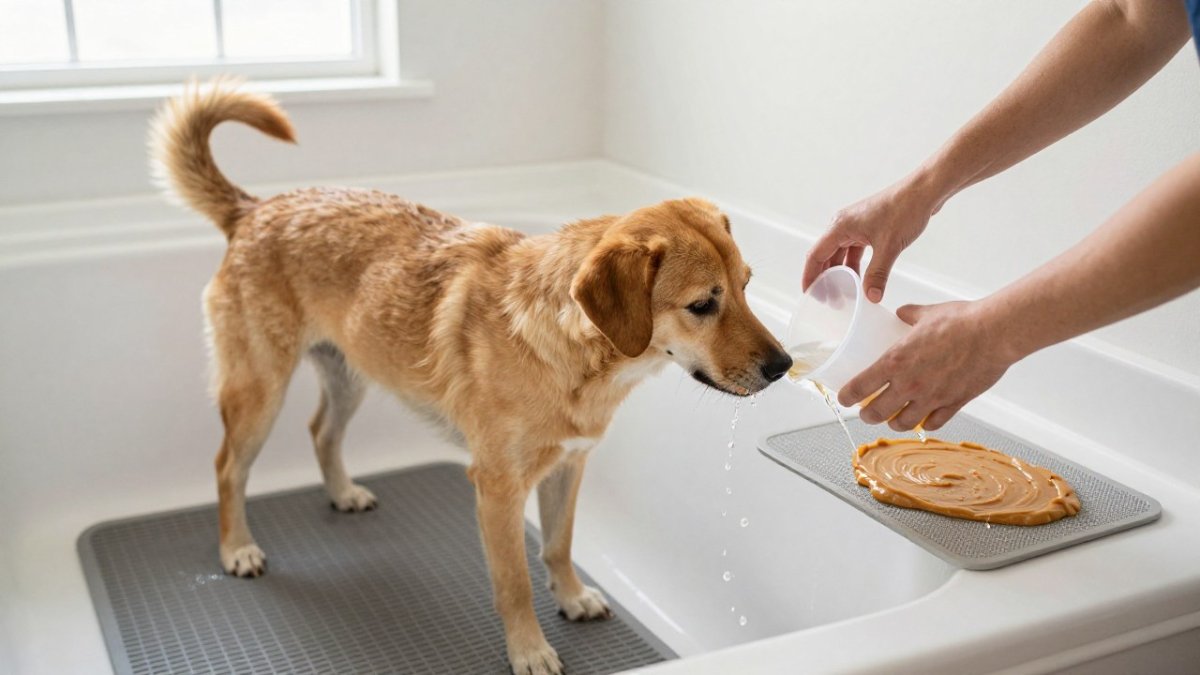
- Brush first. Remove loose fur before wetting to reduce matting.
- Set the water. Use warm, not hot, water and a gentle low-flow spray.
- Wet from the neck back. Avoid the face and ears.
- Lather with dog shampoo. Work in small sections.
- Rinse fully. Leftover shampoo irritates skin.
- Reward throughout. A lick mat or treats keep your dog busy.
- Dry and warm up. Wrap your dog in a quick-dry towel.
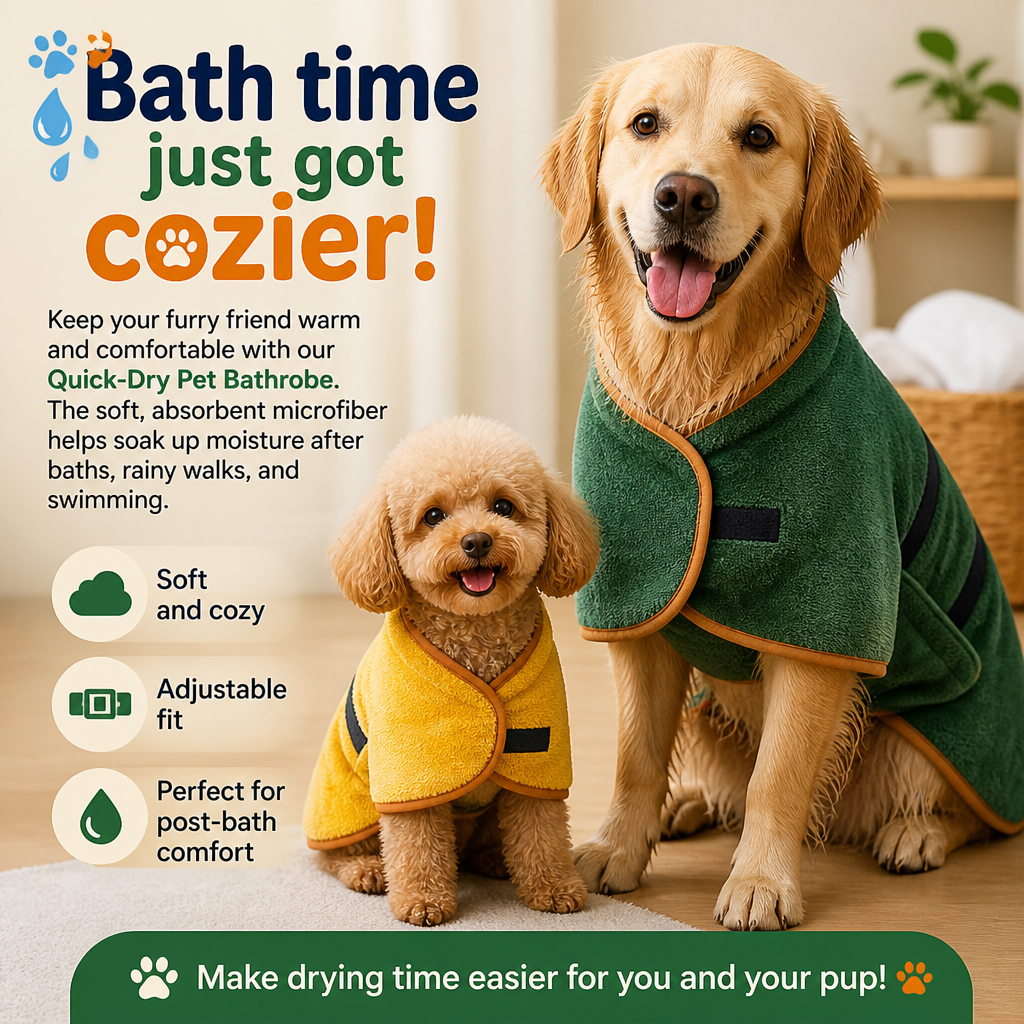
For the drying step, our Pet Bathrobe - Quick-Dry Microfiber Towel for Dogs is designed to help soak up moisture after the bath, helping your dog stay warm and comfortable.
Setting Up the Bathing Area for Secure Footing
Keeping your dog steady on its feet helps reduce panic. Line the tub floor with a rubber mat, and keep towels on hand for the floor around it.
If your dog slips on smooth floors before or after the bath, self-adhesive Dog Anti-Slip Paw Pads give extra grip.
Water Temperature, Gentle Flow, and Calm Handling
Use warm water that feels comfortable on your wrist. A handheld shower head on a low setting beats a loud faucet. Talk in an upbeat, steady voice, and never force a struggling dog to stay put.
How to Wash a Dog Without a Bathtub
You can bathe a dog without a tub using a bucket, a large basin, or a damp-cloth spot clean, ideal for apartments and dogs that panic in enclosed spaces.
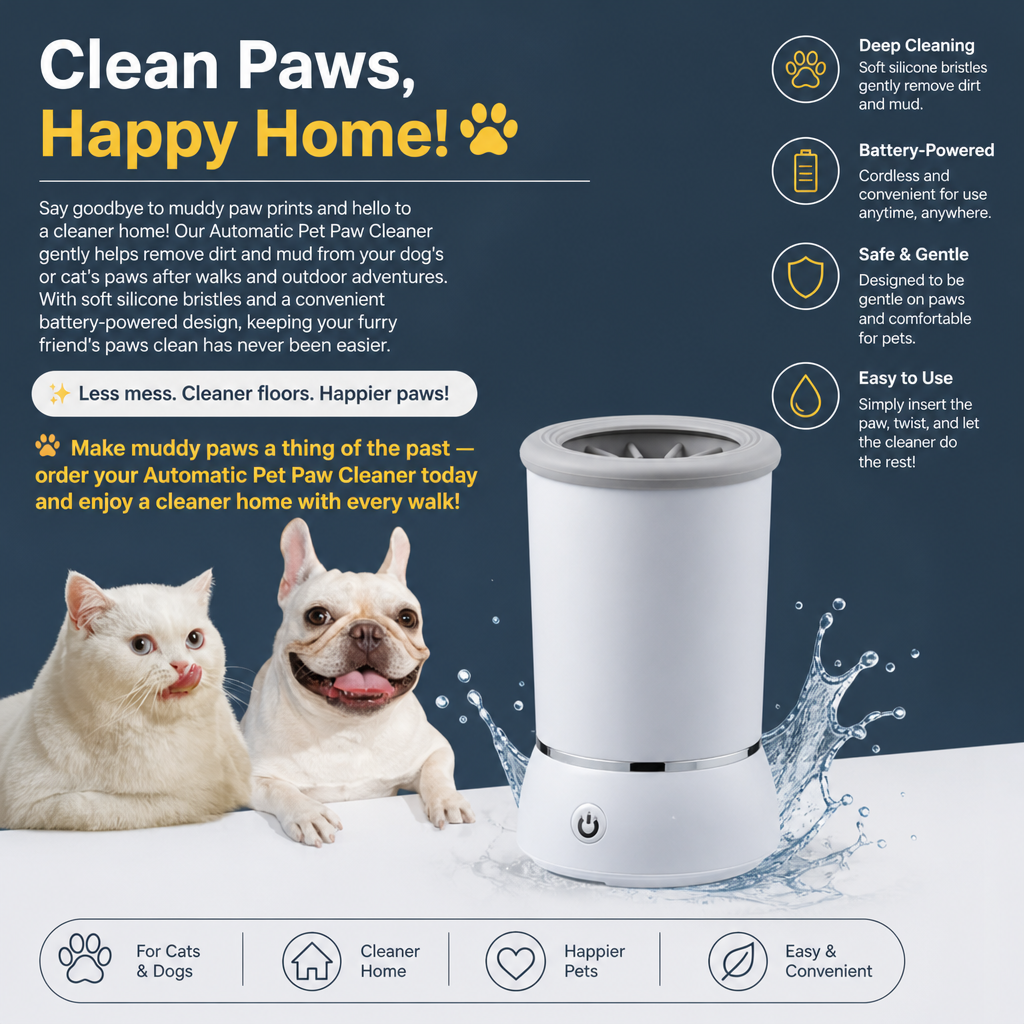
For muddy paws between full baths, our Automatic Pet Paw Cleaner for Dogs & Cats makes quick work of dirt after walks. Add water, place the paw inside, and let the soft silicone bristles do the work.
Troubleshooting Fear Triggers, Safety, and When to Get Help
When a specific trigger sets your dog off, isolate it and work on that one thing separately. If the spray is the problem, switch to a cup; if the tub is the issue, try a basin on the floor.
A Stop-or-Seek-Help Decision Guide
Use this sequence to decide how far to push:
- Pause and repeat if your dog shows mild stress signals, tucked tail, lip licking, yawning, or freezing. End on a calm note and repeat the previous step tomorrow.
- Try a different approach if the same trigger fires twice in a row. Swap the tool (cup instead of spray, basin instead of tub) or change the location.
- Consult your veterinarian if your dog has never tolerated baths, if fear started suddenly in an adult dog, or if you notice skin redness, ear discharge, or pain when touched, pain and skin problems are common hidden causes of bath resistance.
- Use a qualified groomer or veterinary behaviorist if your dog shows extreme panic, tries to bite, or injures itself trying to escape.
Post-Bath Drying and Cleanup Without Adding Stress
Drying is often the most stressful part of the bath, yet it gets the least attention. Towel-dry first with a quick-dry microfiber towel, pressing rather than rubbing. If you use a pet dryer, run it on the lowest heat and speed, keep it moving, and never point it at the face or ears; introduce it separately from the bath.
Adapting the Routine for Puppies, Seniors, and Dogs With Mobility Needs
Puppies need shorter, gentler sessions and lots of rewards. Senior dogs and dogs with mobility issues do better with a low-sided basin, a non-slip mat, and extra support under the belly. Warm water helps stiff joints. Keep sessions brief and let your dog set the pace.
When to Stop and Seek Professional or Veterinary Support
Stop if your dog shows extreme panic, tries to bite, or injures itself trying to escape. For ongoing grooming stress, our guide on how to trim dog nails with an electric grinder safely covers other at-home grooming tasks. If fear is severe or your dog has skin or health concerns, talk to your vet or a professional groomer.
Stock Your Calm Bath Kit at Fluff Mart
A calm bath starts with the right tools on hand: a non-slip mat, warm-water cup, dog shampoo, treats or a lick mat, and a quick-dry towel. Our 7 smart pet grooming tools beginners should start with is a good place to round out your setup.
Fluff Mart offers a curated collection of pet care tools, backed by a 30-day money-back guarantee.
Bath time stress does not have to be part of your routine. With a gradual plan, warm water, secure footing, and steady rewards, most dogs learn to tolerate baths calmly.
Frequently Asked Questions
How can I tell if my dog is stressed during a bath?
Watch for dog bath anxiety signs such as trembling, tucked tail, flattened ears, lip licking, yawning, panting when the room is cool, whale eye (showing the whites of the eyes), pulling away, or freezing in place. Some dogs escalate to growling or snapping. If you see these signals, pause and give your dog space rather than pushing through. Recognizing the signs early lets you adjust the water flow, slow down, or end the session before fear builds into a lasting negative association with bath time.
What should I do if my dog hates water but needs a bath?
Skip the full tub soak and use a damp washcloth or a no-rinse dog shampoo for spot cleaning, then work on gradual exposure separately. Fill a cup with warm water and let your dog sniff it, reward with treats, and stop before any sign of discomfort. Over several short sessions, move from paw dips to a shallow basin. A non-slip mat and a lick mat with food rewards help distract and steady your dog. If your dog still panics after weeks of slow work, ask a professional groomer or your veterinarian for support.
How do I bathe a large dog who is afraid of the tub?
Try washing your large dog outside the tub first, using a hose on a gentle shower setting or a pitcher of warm water on a patio or in a walk-in shower with a non-slip mat. Secure footing matters most for big dogs, so use a rubber mat and keep one hand supporting your dog's chest. Keep sessions short, use treats and calm praise, and dry with an absorbent microfiber bathrobe to reduce the wet-floor scramble afterward. If lifting is a concern, a groomer with a raised tub may be the safer option.
How can I help my dog get used to baths gradually?
Build a desensitization plan over one to two weeks. Start by feeding meals near the bathroom, then in the empty tub with no water. Add a dry towel, then a damp one, then a centimeter of warm water, rewarding calm behavior at each step. Progress only when your dog stays relaxed, and keep each session under five minutes. Pair every new step with treats or a lick mat so bath time predicts good things. This gradual training approach works far better than forcing a full bath on day one.
